Artistic Watches: Expert Manufacturing and Sourcing for Your Brand

Artistic watches sit at the high-stakes intersection of mechanical engineering and pure creative expression. They aren't just timekeepers; they are miniature canvases that tell a story on the wearer's wrist. For brand owners and boutique microbrands, bringing these pieces to life requires a specialized supply chain that moves beyond basic assembly. You need a partner capable of executing intricate dial techniques, custom case engineering, and the kind of "no-nonsense" quality control that turns a high-concept sketch into a durable, market-ready timepiece.

Why Artistic Watches Are Redefining the Boutique Horology Market
The modern watch market has officially moved past the "tool watch" obsession. Let’s face it: most people check their smartphones for the time. Today, a watch is judged by its aesthetic narrative rather than its ability to survive a 1,000-meter dive. This cultural shift has created a massive opening for brands to pivot toward artwork watches that double as conversation starters.
The Shift from Utility to Wearable Artwork Watches
A watch is now a statement of identity, plain and simple. Consumers are hunting for "wearable art"—pieces that utilize the dial as a gallery space. Whether we are talking about piqué-à-jour enamel or a clean, minimalist geometric layout, the appetite for visual storytelling is at an all-time high. In this landscape, the dial is the hero.
Capturing the Growing Interest in Men’s Fun Watches and Novelty Motifs
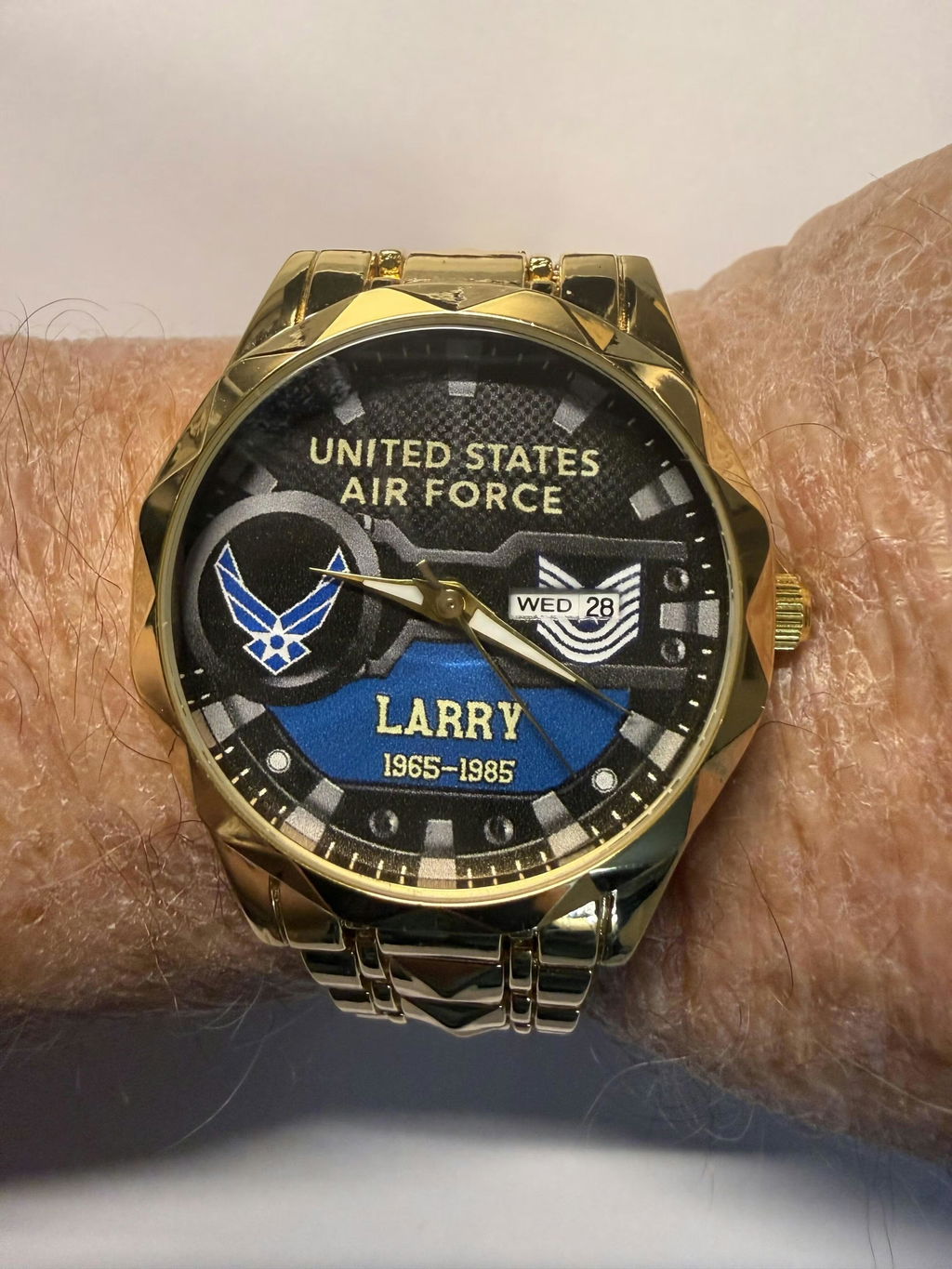
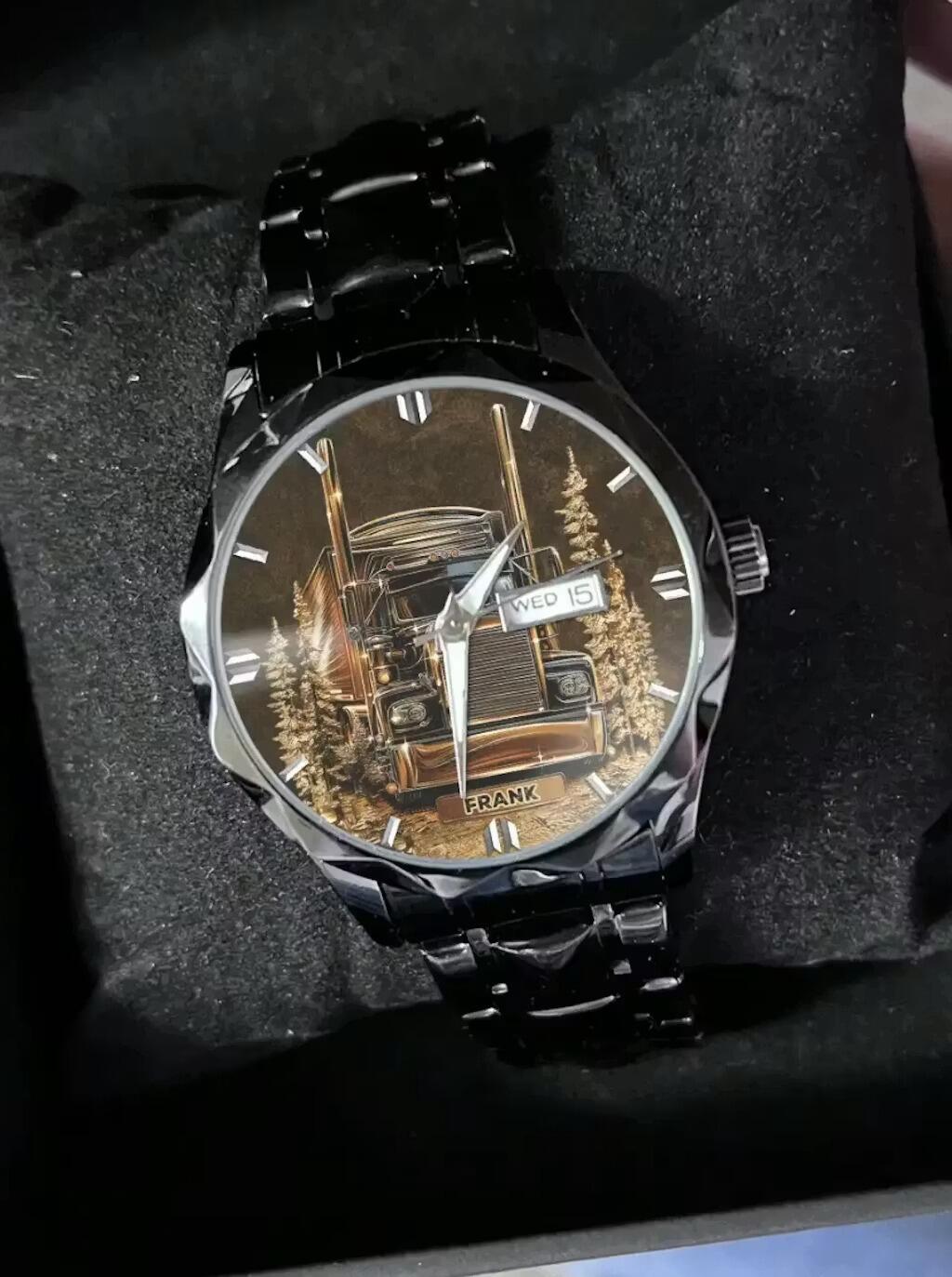
The "serious" horology world is finally loosening its tie. We’ve seen a massive surge in mens fun watches and the novelty watch sector. These aren't flimsy toys; they are high-spec instruments featuring whimsical motifs, unconventional time displays, and bold themed graphics. For example, our Customized Motorcycle Themed Watch shows exactly how a specific subculture passion can be engineered into a professional-grade timepiece that speaks directly to a niche community.
Analyzing the Commercial Potential of High-Design Microbrands
Microbrands have one massive advantage over the giants: agility. By leaning into artistic watches, smaller players can dominate "blue ocean" territories that Swiss conglomerates usually overlook. The real commercial potential here is in the scarcity and that "hand-crafted" vibe that mass-produced, mall-brand models can't replicate.
Technical Manufacturing: Transforming Concept Designs into Precision Instruments
Manufacturing an awesome watch design is a different beast entirely compared to pumping out standard divers. It requires a factory floor that respects the nuance of non-traditional materials and complex geometry.
Specialized Dial Fabrication: Enamel, Sugar-Crystal, and 3D Layering
The dial is the soul of any artistic watch. Professional sourcing allows for advanced techniques like sugar-crystal finishes—which catch the light like raw minerals—or multi-layered 3D etching that gives the piece physical depth. At Tailsprouts, we’ve learned that the secret to a successful special watches line is the precise interplay between light, shadow, and texture on the dial surface.
Movement Integration for Awesome Watch Designs and Complications
A stunning design shouldn't be ruined by a bulky, mismatched movement. Sourcing the right caliber is non-negotiable. Whether it’s a slim Miyota 9-series for a sleek profile or a skeletonized movement that lets the mechanics breathe, the movement must complement the artwork, not fight against it.
Case Engineering: From Standard 316L Steel to Skeletonized Architectural Frames
The case shouldn't just be a container; it’s the frame for the art. For brands pushing the envelope, we move beyond basic CNC-machined 316L stainless steel. We look at custom finishes, unique lug shapes, and even skeletonized architectural frames that mirror the themes found on the dial.
Comparison: Private Label Sourcing vs. Bespoke Artistic Manufacturing
The right production path depends on your budget, your timeline, and how much creative "soul" you want to inject into the final product.
| Feature | Private Label (White Label) | Bespoke Artistic Manufacturing |
|---|---|---|
| Design Flexibility | Limited to catalog presets | Full creative control from scratch |
| Typical MOQs | 50 – 200 units | 300 – 500+ units |
| Production Timeline | 45 – 60 days | 90 – 150 days |
| Dial Customization | Basic printing/logo placement | Hand-painting, enamel, or 3D etching |
| Component Quality | Standard Grade (Miyota/Seiko) | Custom selected (Swiss or High-End Japan) |
Navigating the Supply Chain: Essential Sourcing Strategies for Brand Owners
In the watch industry, your brand is only as strong as your supply chain. If one link fails—whether it’s a gasket supplier or the hand-set manufacturer—your entire project hits a wall.
Choosing the Right Movement: Balancing Swiss Heritage with Japanese Efficiency
The "Swiss Made" stamp is a powerful marketing tool, but Japanese movements like the Seiko NH series or Miyota 9015 provide bulletproof reliability at a fraction of the cost. Your choice should reflect your price point and where you want to spend your budget—on the "engine" or the "bodywork."
Quality Control Standards: From ISO-Certified Waterproofing to Dial Alignment
When dealing with artistic watches, even a 0.5mm misalignment of a 3D index can destroy the visual harmony. Our QC process involves high-magnification inspections and multi-stage pressure testing. We ensure that "art" never comes at the expense of "function." For a deeper dive into how quality builds long-term brand equity, take a look at our guide on meaningful personalization in high-end goods.
Material Integrity: Sourcing Anti-Reflective Sapphire and Sustainable Straps
Artistic dials need to be seen. Sourcing double-domed sapphire crystal with multi-layer anti-reflective (AR) coating is the standard for premium microbrands. Furthermore, modern collectors expect sustainable strap options, like high-grade FKM rubber or vegetable-tanned leathers that age with character.

Overcoming Common Hurdles in Specialty Watch Production
Manufacturing complex designs comes with its fair share of headaches. Most brand owners run into the same few walls:
- The MOQ Barrier: Factories usually want 300-500 units for custom-molded cases. If you aren't there yet, the smart play is to customize the dials and hands while utilizing a high-quality "open-mold" case.
- Lead Time Reality: Artistic components, especially hand-painted dials, can take 3-4 months. You have to plan your launch around these production bottlenecks.
- Color Accuracy: What looks vibrant on a 27-inch monitor often looks muddy on a 30mm dial. Physical Pantone matching and sampling are mandatory steps, not suggestions.
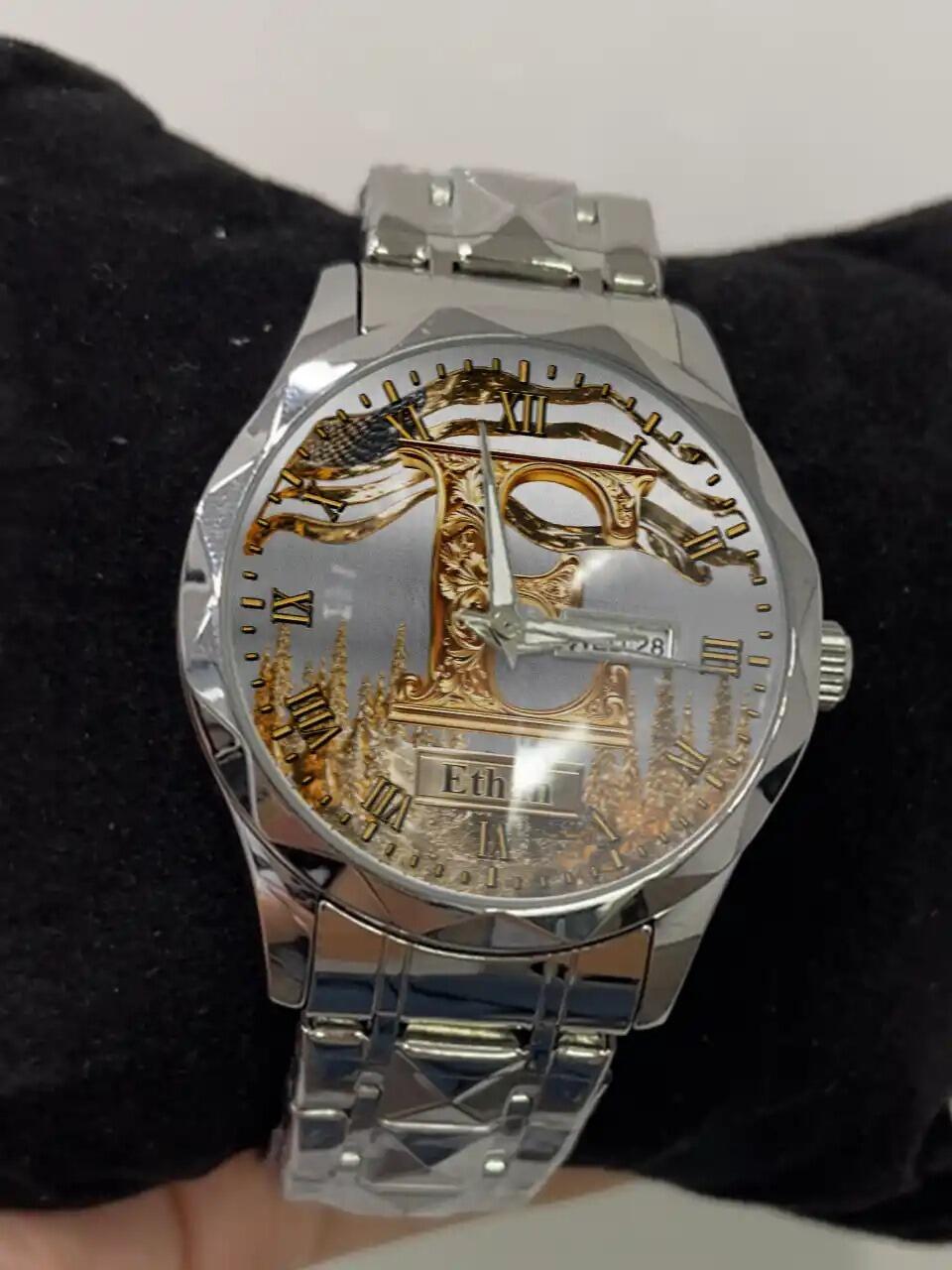
A perfect example of navigating these trade-offs is our Personalized Initial Metal-look Dial Pattern Watch, which achieves a high-end bespoke aesthetic through the clever use of established manufacturing templates.
From Prototype to Retail: Scaling Your Watch Brand
Once your design is locked in, the focus shifts to scaling. High-fidelity sampling is your ultimate insurance policy. Never, under any circumstances, green-light mass production until you have a prototype in your hand that is 100% accurate to your vision.
Building Brand Authority Through Transparent Manufacturing
Today’s customers—both B2B and B2C—value transparency. Showing your manufacturing process—the assembly, the waterproof testing, the dial printing—builds massive trust. It proves you aren't just drop-shipping generic parts, but are a true curator of special watches. For more on building a brand around niche passions, check our insights on personalized gifts for motorcycle lovers.
Strategic Sourcing and Manufacturing FAQ
What is the typical lead time for an artistic watch prototype?
For a bespoke design, expect roughly 30 to 45 days for a functional prototype. This accounts for custom dial tooling and ensuring the movement fits perfectly within the case architecture.
Can you manufacture watches with unconventional time displays?
Absolutely. By using modified quartz or mechanical movements, we can create jumping-hour displays or use the second hand as a visual metronome. The key is ensuring the movement’s torque can handle the weight of custom-designed hands.
How do you ensure the durability of intricate artwork on the dial?
We utilize UV-resistant inks and protective clear-coating (lacquering) to ensure that hand-painted or printed artwork doesn't fade, peel, or crack due to sunlight exposure or temperature shifts inside the case.
What are the standard minimum order quantities for bespoke cases?
For a completely new, custom-engineered case design, the industry standard is typically 300 to 500 units. However, we can often achieve a custom look with lower MOQs by applying unique finishes to existing case shapes.
How is waterproof testing handled for non-circular artistic cases?
Each case undergoes a dry vacuum test first, followed by a wet pressure test (ISO 22810 standard). This ensures that gaskets are properly seated, even in complex or multi-piece case designs.
Which movements are best for heavy or irregular hand designs?
High-torque movements, such as specific Ronda quartz calibers or the Miyota 8-series, are much better suited for "novelty" hands that carry more weight than standard baton hands. Using a low-torque movement with heavy hands will lead to accuracy issues and premature wear.