Beyond the Top 10 Watch Manufacturers: Finding Your Perfect Heirloom

Selecting a timepiece should be a search for mechanical integrity and personal resonance, not just an exercise in checking off a list of the top 10 watch manufacturers. A true heirloom is defined by how well its engineering stands the test of time and how deeply its design reflects the character of the wearer.
Go to Product List:Bespoke Watches
The Myth of the Top 10: Why Your Next Heirloom Shouldn't Just Be a Brand Name
Moving Past the Marketing Hype of Top 10 Watch Manufacturers
It is easy to get caught up in the prestige of industry giants. However, relying solely on a recognizable brand name for watches often means paying a premium for marketing rather than raw horological value. When you look beyond the major players, you find independent watchmakers who prioritize durability and unique design languages over mass-market trends.
Evaluating Provenance: When Mechanical Integrity Outweighs Market Value
The value of a watch lies in its serviceability and the quality of its components. A reliable watch brand is one that utilizes standard, high-performance movements—those that a local watchmaker can actually maintain in twenty years. Choosing a piece based on its mechanical robustness ensures your heirloom remains functional for the next generation.
The Collector's Dilemma: Finding Personality in a Sea of Mass-Produced Luxury
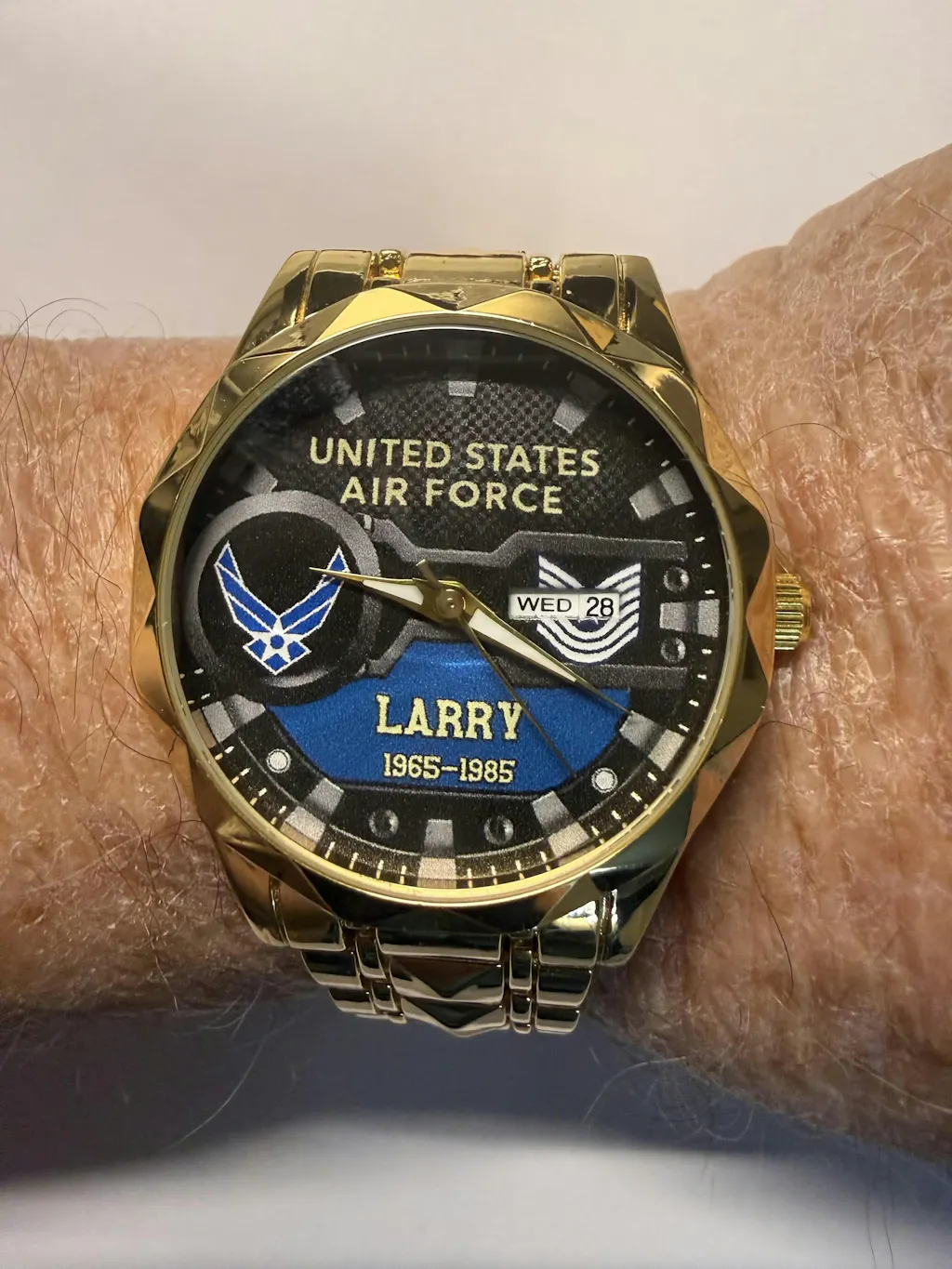
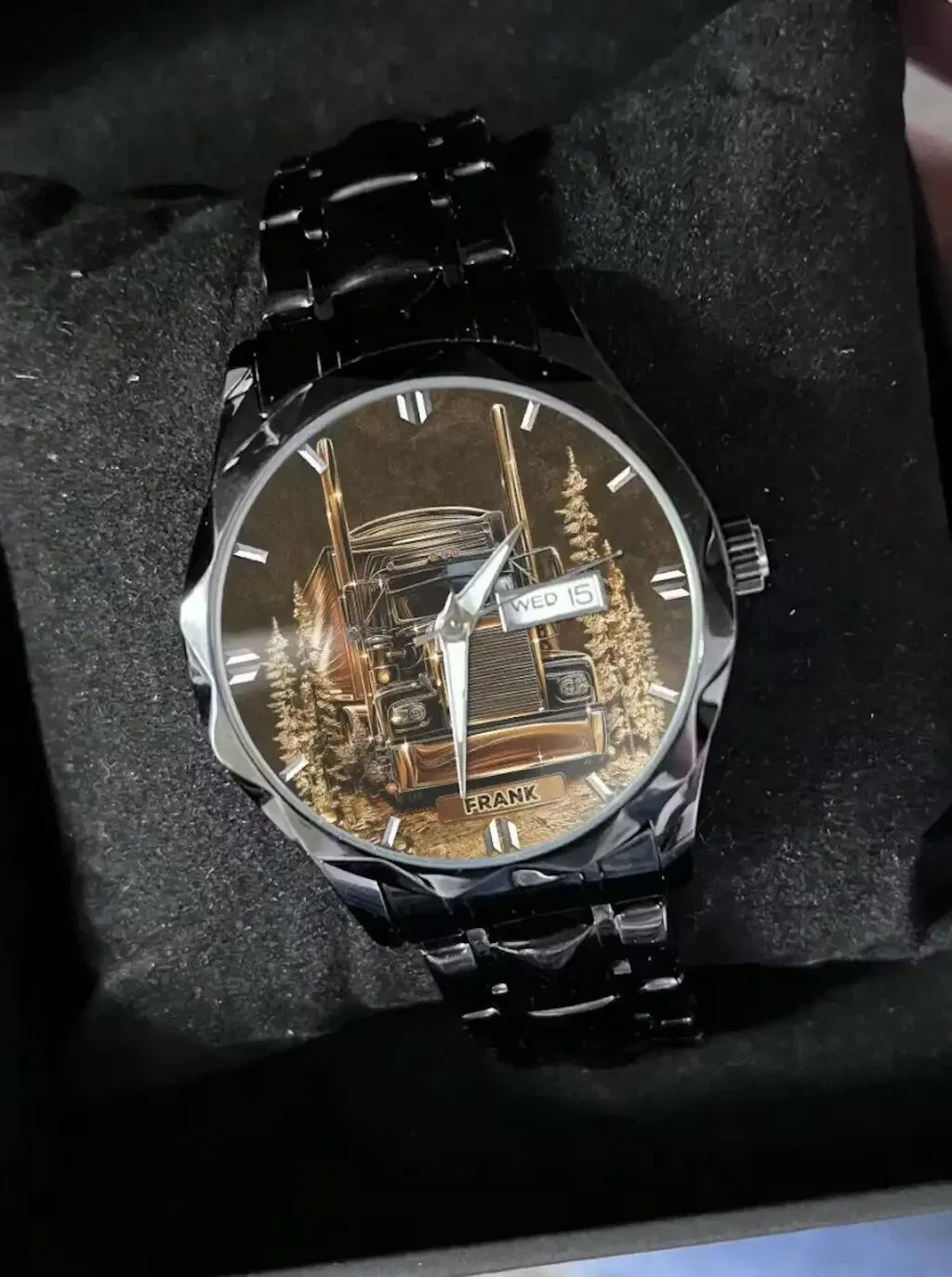
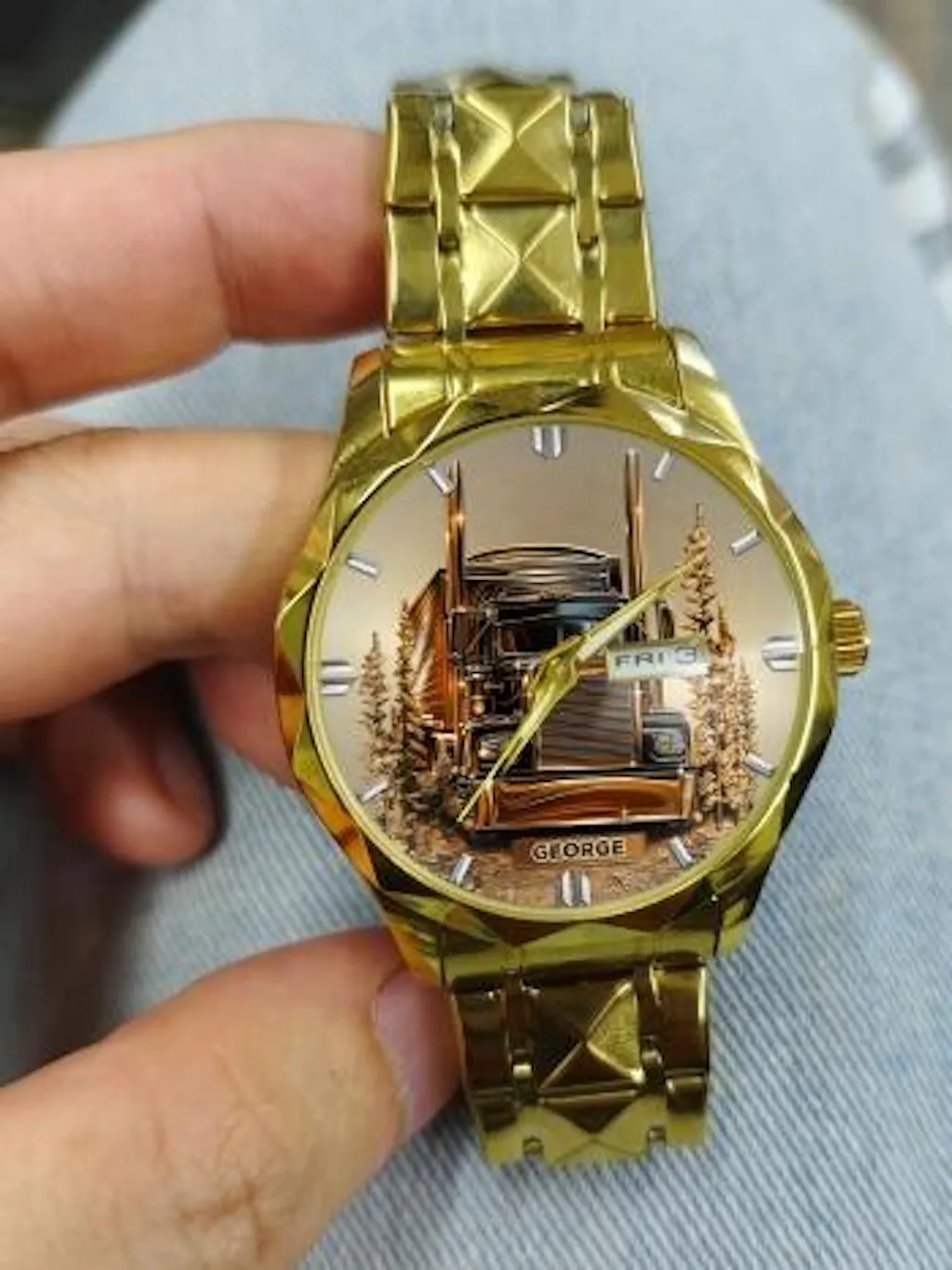
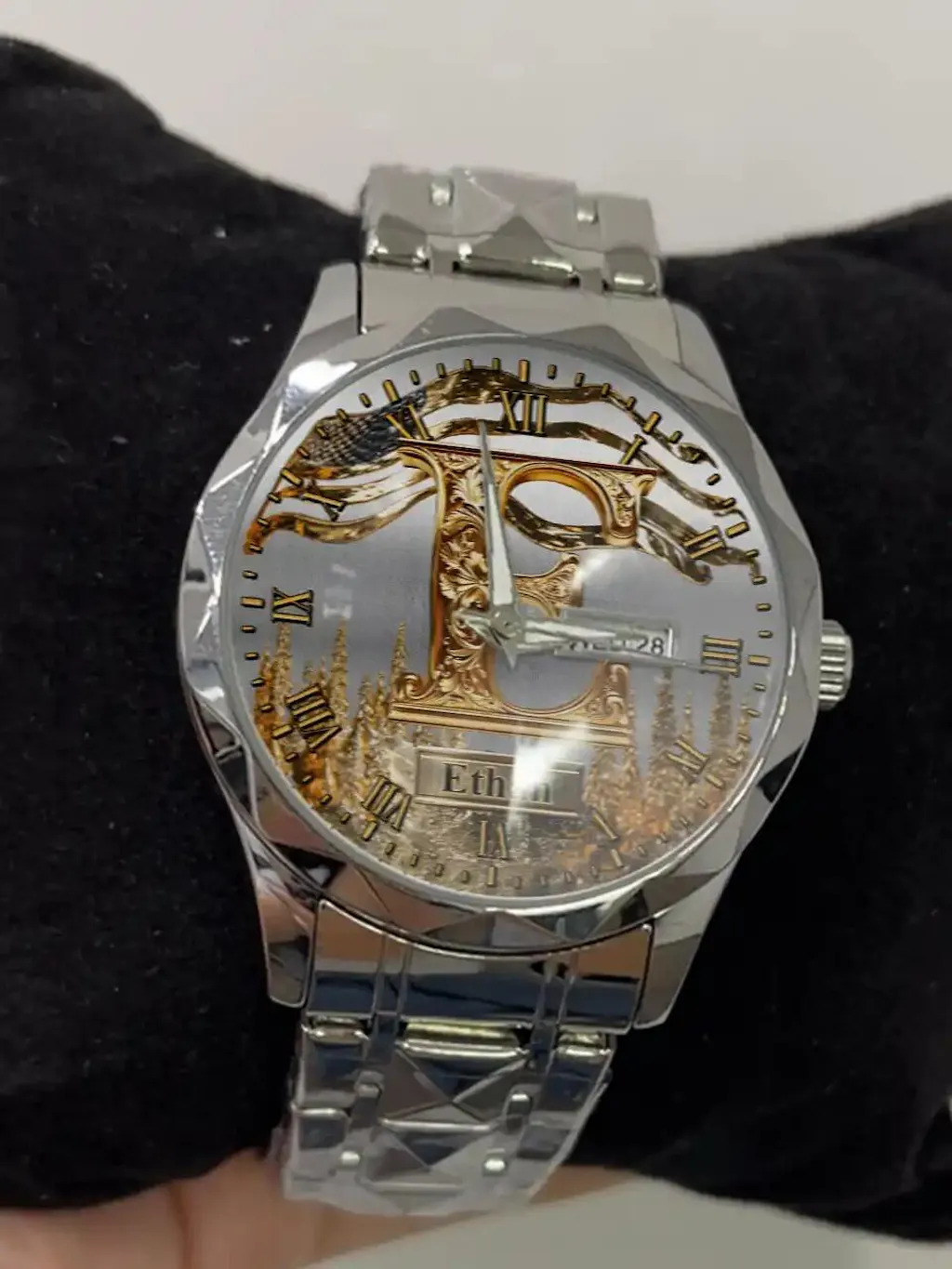
True collecting is about curating a narrative. While luxury houses offer consistency, independent bespoke pieces often hold more emotional weight. Whether it is a Personalized Initial Metal-look Dial Pattern Watch or a custom-engraved case, the goal is to find a piece that acts as an extension of your own identity.

Anatomy of a Lasting Gift: What Actually Defines a Reliable Watch Brand
Materials Matter: Why 316L Stainless Steel and Sapphire Crystal Are Non-Negotiable
You wouldn't buy a car with a weak engine, so don't settle for subpar materials. 316L surgical-grade steel provides the necessary corrosion resistance, while sapphire crystal offers the hardness required to prevent daily wear and scratches. These are the foundations of longevity.
The Heart of the Matter: Assessing Movement Precision and Serviceability
The movement is the soul of the watch. Prioritize calibers proven for accuracy and ease of repair. If a movement cannot be serviced, it isn't an heirloom—it is a disposable object.
Design Language: Choosing an Aesthetic That Survives Changing Trends
Avoid high-fashion silhouettes. Look for classic lines—clean indices, readable hands, and purposeful proportions. A well-designed watch looks as relevant on your wrist in 20 years as it does today.
Beyond the Wrist: Building a Meaningful Collection of Personal Statements
Your watch collection deserves a home that respects its craftsmanship. Storing your timepieces in a dedicated environment is essential for protection and display. Here is how to curate your space:
| Feature | Custom Canvas | Brushed Metal Poster | Bespoke Tapestry |
|---|---|---|---|
| Material | Archival-grade Cotton | 316L Grade Aluminum | Premium Woven Poly-blend |
| Finish | Matte, Texture-rich | Industrial, High-Sheen | Tactile, Durable |
| Best For | Study/Library Decor | Modern Office/Workshop | Warm Living Spaces |
At Tailsprouts, we believe your accessories deserve high-end organization. Our Luxury Watch Box offers the precise level of care needed to house your most prized mechanical investments.

The Gift-Giving Friction: Solving Common Frustrations in Customization
The Photo Quality Trap
For high-fidelity printing, skip the compressed web images. Use raw files or original high-resolution captures. The finer the detail in your source material, the more precise the final print will be on your chosen medium.
Navigating Lead Times
Great craftsmanship requires patience. We prioritize quality over speed, ensuring each item undergoes rigorous inspection before it reaches your door.
Professional Insights: Integrating Tailsprouts into Your Horological Lifestyle
Our approach to custom art mirrors the precision of watchmaking. By utilizing advanced color-retention technology, we ensure your personal statement pieces don't fade, maintaining the same visual intensity as the day they were created.
Frequently Asked Questions
- What makes a watch brand reliable?
- It comes down to movement serviceability and material specs like 316L steel.
- How do I ensure my custom artwork matches my collection?
- Focus on clean lines and a minimalist aesthetic that won't distract from the mechanical beauty of your watches.
- What should I look for when selecting a photo?
- High contrast and good lighting are paramount for sharp, detail-rich prints.
- How does Tailsprouts ensure durability?
- We use archival-grade materials and industrial-strength printing processes designed to resist environmental degradation.